Warranty Information
Clear wholesale coverage for new tire defects, used tire lot grading, documentation, and approved claim resolutions.
Warranty protection begins with the written quote, invoice, lot specification, and receiving record. New tire defects follow the applicable manufacturer's published policy, while used tire concerns are reviewed against the grade and condition standards confirmed for the lot.
Because wholesale orders contain at least 1,500 tires, buyers should preserve order references, packing lists, photographs, tire markings, and receiving records. Complete evidence helps separate a product concern from freight damage, storage damage, fitment, or normal wear.
- New tire protection
- Applicable manufacturer policy
- Used tire assurance
- Written lot grade and condition
- Issue reporting
- Within the confirmed claim window
- Minimum order
- 1,500 tires total
What you need to know
New tire manufacturer coverage
Eligible defects in materials or workmanship are reviewed under the tire brand's current published warranty, eligibility rules, exclusions, and adjustment method.
- Original invoice and order line required
- DOT code, serial markings, and clear photos required
- Final approval and credit value are determined by the manufacturer
Used tire lot assurance
Used tires are covered by the written grade, sorting, and condition specification approved before dispatch rather than a mileage or service-life promise.
- Compare received tires with the confirmed grade
- Document affected tires separately from the accepted lot
- Report material differences within the written claim period
Freight and receiving damage
Visible transit damage belongs in the receiving and carrier claim record, not a product defect claim.
- Record seal, trailer, or container condition
- Note damage on the delivery document before signing
- Photograph affected areas before unloading or rearranging the lot
Coverage limitations
Coverage does not extend to conditions created after delivery or outside the agreed product specification.
- Incorrect fitment, inflation, mounting, or repair
- Road hazard, impact, overload, racing, or misuse
- Improper storage, contamination, heat, weather, or normal wear
How a warranty review moves forward
- 1
Separate and identify
Hold affected tires from sale or use and connect each one to the order line and lot reference.
- 2
Document the concern
Capture full-tire, close-up, sidewall, DOT, tread, bead, and packaging images as relevant.
- 3
Submit the claim
Send the invoice, quantity affected, description, evidence, and receiving records within the agreed window.
- 4
Review and resolve
We compare the evidence with order terms and manufacturer requirements, then confirm the written outcome.
Warranty claim file
- Wholesale invoice and order reference
- Affected brand, model, size, and quantity
- DOT codes and visible tire markings
- Full-tire and close-up photographs
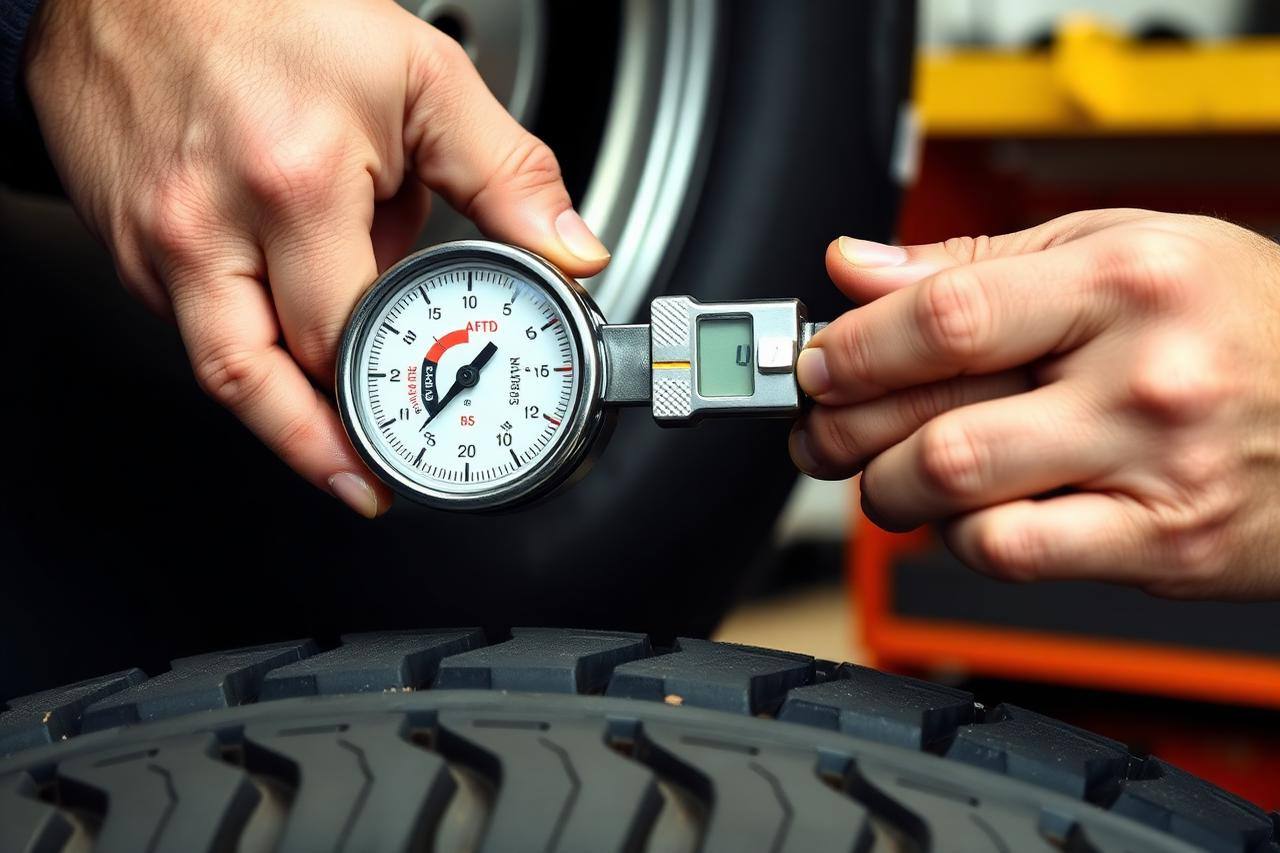
- Tread readings for used tire concerns
- Packing list and receiving record
- Installation or service details when applicable
- Carrier notation for visible freight damage

Evidence matters
Build a traceable record from receiving to resolution
A complete file lets the wholesale team compare the concern with the order, loading record, lot grade, and manufacturer requirements.
Product identity
Brand, model, size, DOT, order line, and affected count.
Receiving record
Packing list, delivery notation, seal, and unloading photos.
Condition evidence
Full views, close-ups, tread readings, bead, and inner liner.
Written outcome
Eligibility, approved quantity, credit, replacement, or next action.
Questions
Frequently asked
Still have a question?
Call our wholesale team or send a quote request. We will review your sizes, quantity, destination, pricing, and availability.
Wholesale terms: Warranty eligibility, evidence requirements, claim windows, credits, and exclusions are governed by the confirmed order terms and the applicable manufacturer's policy.